

Support for this edition comes from ATLYS. ATLYS, featuring Lafayette native violinist Jinty McTavish, is excited to return to Lafayette for a special night May 13 at The Arts Federation presented by SAMI. Buckle up for a high-energy evening featuring a genre-blurring mix of original music, reimagined covers and brand-new pieces you haven’t heard before. If you love the vibe of Bridgerton, epic film scores or the timeless charm of string quartet music, this concert is for you! Get tickets and more details here.

DID THESE CROSSOVER VOTES SAVE SEN. SPENCER DEERY?
If Spencer Deery’s four-vote spread stands as election boards across the six counties in the sprawling Indiana Senate District 23 this week consider a final handful of provisional ballots, the balance tipping his way over Donald Trump-backed Paula Copenhaver could point back to the ballots pulled by Sam Cody and voters like him.
Cody, a Warren County resident, said he pulled a Republican primary ballot for the first time in his life Tuesday. He voted for Deery, a West Lafayette Republican running for a second term. He said he left the rest of the ballot blank.
Cody said this week that he pretty much knew what he needed to do in fall 2025, when resistance in the Indiana Senate started to unravel a push from President Trump and his allies to redraw Indiana’s congressional maps to make it easier to pick up Republican seats in the U.S. House.
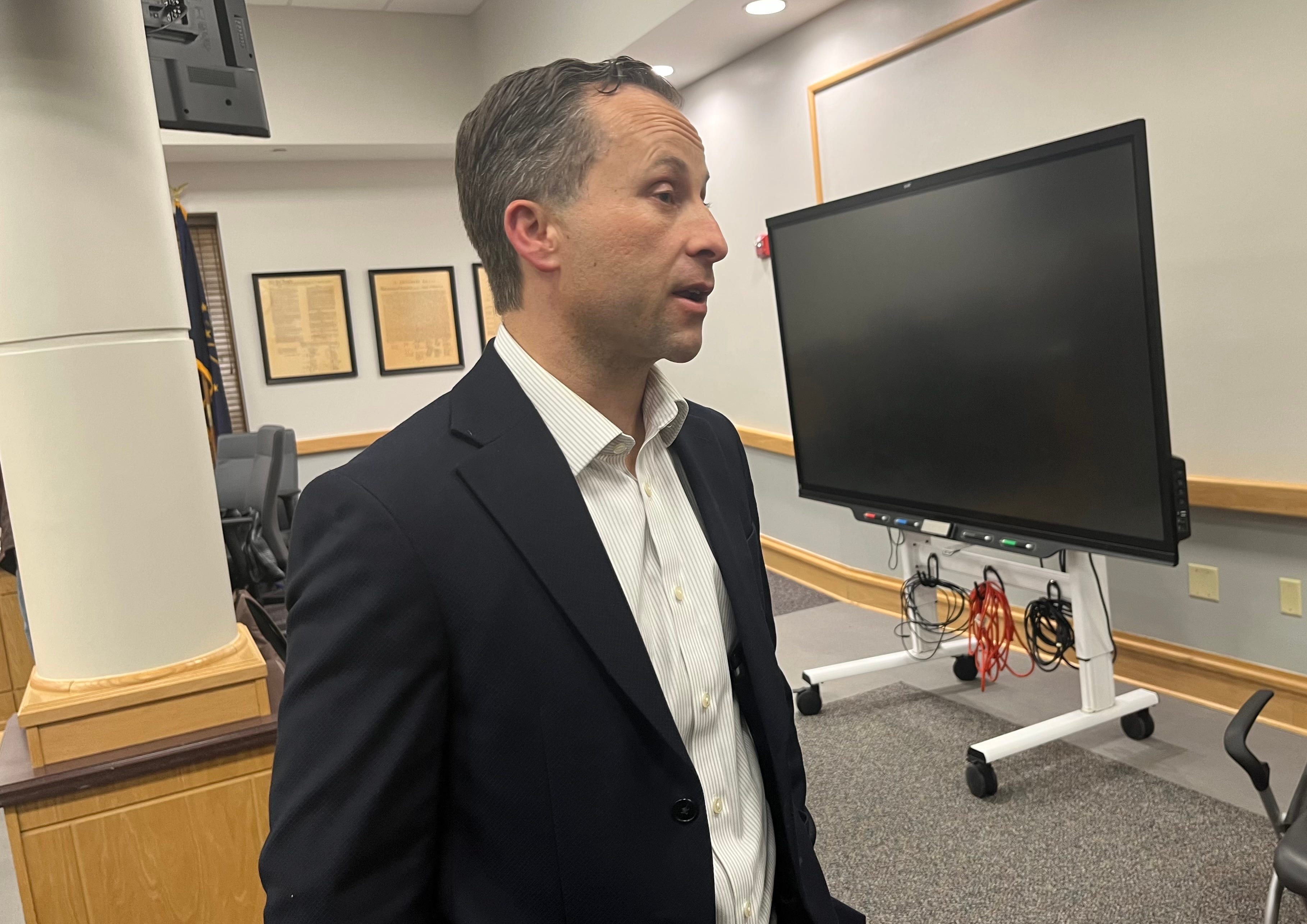
Deery’s opposition to Trump’s plan made him a target, ultimately including more than $2 million in dark money campaign advertising designed as payback. He wound up being one of seven Republican incumbents in the Senate who bore the brunt of roughly $12 million spent aiming at unseating them.
“When we, I guess as a state, said no to this whole redistricting effort, that made me feel pretty proud to be an Indiana Hoosier,” Cody said. “So, just as soon as I heard that there was going to be a push to get rid of those folks, I just felt like my vote would be better spent there, helping in that race, and that I could trust the other Democrats around me to make a good choice in the primaries. I felt I could be a little bit more strategic with my vote if I can push it over the edge a little bit. And it ended up looking like it may be that way.”
How many people who typically pull Democratic ballots in primary switched to make similarly strategic votes in an Indiana Senate District 23 race isn’t clear.
But in Tippecanoe County – where Deery took nearly two-thirds of Tuesday’s vote and the only county of the six where he topped Copenhaver – there were signs that it could have made the difference.
Ken Jones, Tippecanoe County Democratic Party chairman, said he tried to dissuade voters from crossing over to vote in a pair of hotly contested primaries in the two Indiana Senate districts in the county. (Incumbent Sen. Ron Alting survived a challenge from Richard Bagsby in the Indiana Senate District 22 Republican primary, which covered the east half of Tippecanoe County and all of Carroll County.)
“Partly because we had candidate choice this time, and I felt it was important for them to make their views known on our candidates,” Jones said. “Second, I don’t think it normally matters. Not the case this time.”
Jones said an initial party analysis of unofficial Tippecanoe County precinct results gave hints.
