


Beets and kale: Nowhere to hide
By Carol Bangert/For Based in Lafayette
A month into the farmers market season, I continue to be excited by the rollout of new produce. What I discover each week prompts kitchen inspiration. Mid-spring produce ranges from the sweetness of strawberries to the pungent bite of spring onions to the earthy tones of turnips and carrots. I hope you continue to hunt out your favorite produce as the days edge toward summer. Now’s also the perfect opportunity to try something new, plucked fresh from area farms.
A few of my favorite spring items, however, have been no-shows this season, namely rutabaga and kohlrabi. This news was met with shouts of joy at my house, at least from the veggie-averse contingent. But I high-fived myself when I spotted two versatile and tasty vegetables that are much maligned. We’re talking beets and kale. The shouts of joy were silenced.
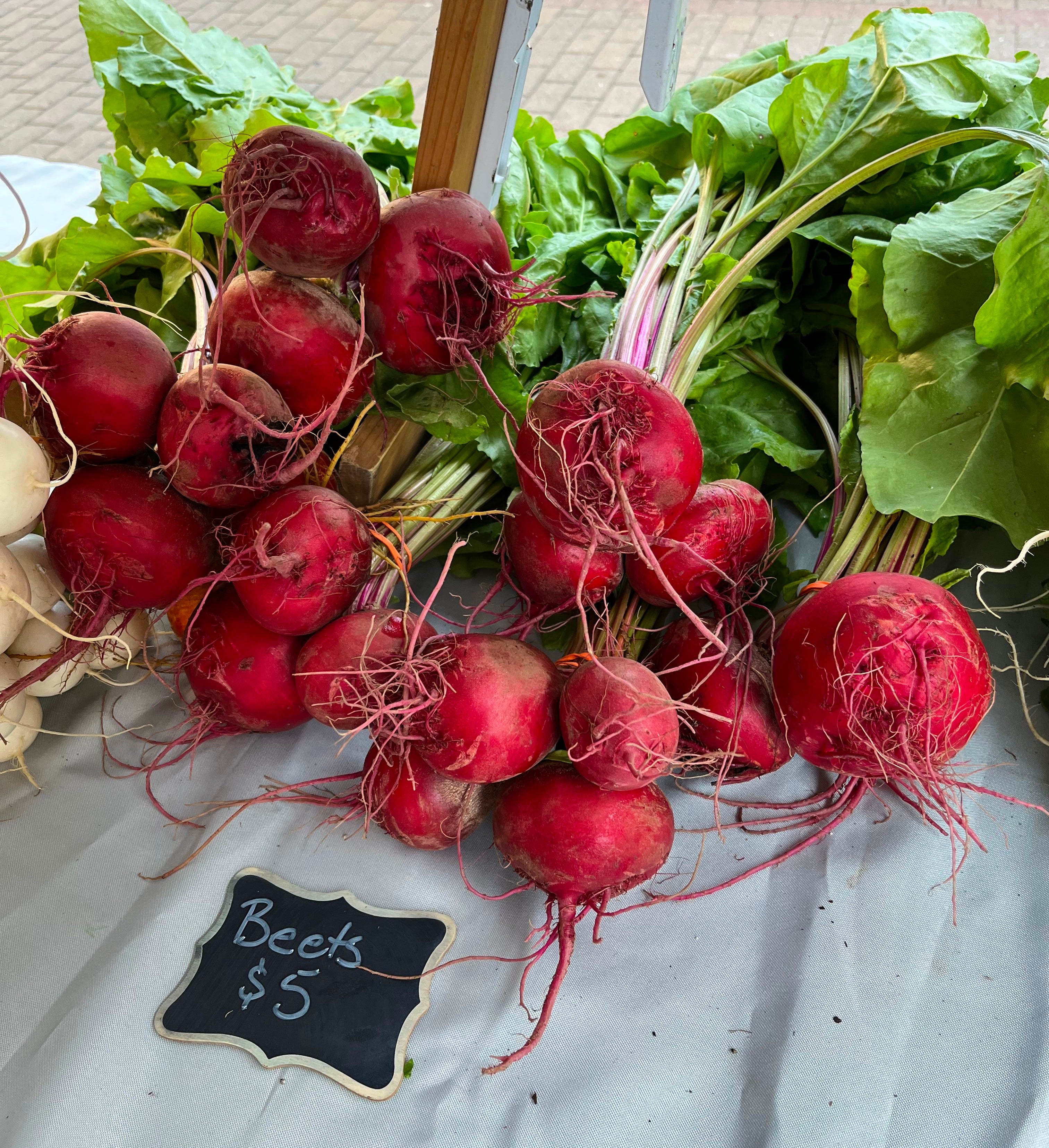
Beets and kale come from different produce families (root vegetables vs. leafy greens), but they have two things in common: you either love them or hate them; and when you cook with them, they have nowhere to hide.
One thing I love about rutabaga and kohlrabi (besides their funky names) is that they can be steamed then tucked into cheese sauces, added to mashed potatoes and tossed into soups and stews, and no one is the wiser.
This doesn’t work with beets and kale. They shout, “Ta-da!” no matter what cooking method you employ. Trust me, I’ve tried and failed epically.
I’ve come to realize that the best strategy is to embrace the ruby reds, deep greens and rich earthiness of these underappreciated vegetables and just let them be themselves. Why even eat a vegetable if it must be all dressed up to enjoy?
Versatile beets
Take beets. I love them and I’ve found myriad ways to use them. They are versatile and nutritious, but they also are messy and take a bit of work. Beets are great roasted, sautéed and pickled. They can be eaten raw as well, but I wouldn’t go the Dwight Schrute route and eat them like an apple (that scene from “The Office” is unforgettable and painful). Maybe try them grated in a salad for starters.
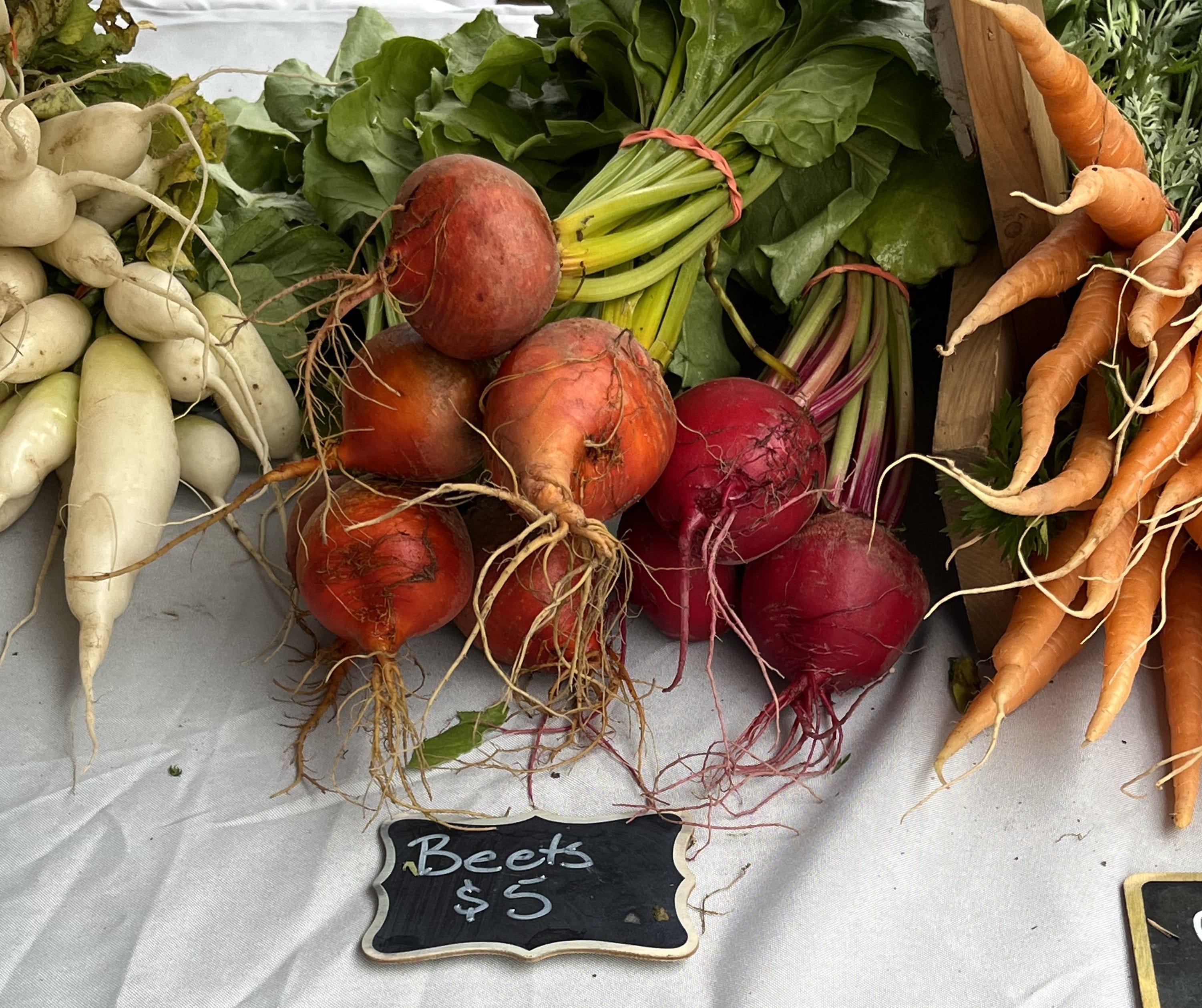
Beets pair nicely with a range of flavors and work particularly well with goat cheese, oranges and other citrus, walnuts and balsamic vinegar. Beet salads offer a range of colors and textures, highlighting the beet’s natural sweetness. Whatever you do, let the beets shine.
To store beets, first remove the greens and store them in the fridge in a glass of water – they’re great in a sauté. The roots should be wrapped in a damp paper towel then refrigerated in an airtight container. They’ll last one to two weeks.
Kale, yes!
Kale has a similar identity crisis. Unless it’s in a salad, you really can’t disguise it. Again, I’ve tried. Kale has enjoyed an extended stint as a nutritional darling, so much so that the kale-equals-health mantra has become a bit of a punchline, which is unfortunate. To be honest, I’ve never jumped on the kale bandwagon like so many people have. I like kale – like it – but I don’t feel the need to toss it into smoothies or bake it into chips. I’m content to thinly slice the leaves and add them to a salad or stir fry, and I love adding them to soups. I chopped up a bunch of kale I picked up at a recent farmers market and added it an Italian wedding soup with farro. The kale added a nice heartiness to the soup and paired beautifully with the nutty grain.

Finally, fresh-picked kale tastes nothing like the grocery store variety, nor is the texture the same. Buy it from a farmers market vendor, just out of the field.
Kale takes up room, so I usually chop a bunch into manageable pieces, wrap it in a paper towel and store it in a bag in the fridge. Clean the kale when you’re ready to use it; it should last a week or so.
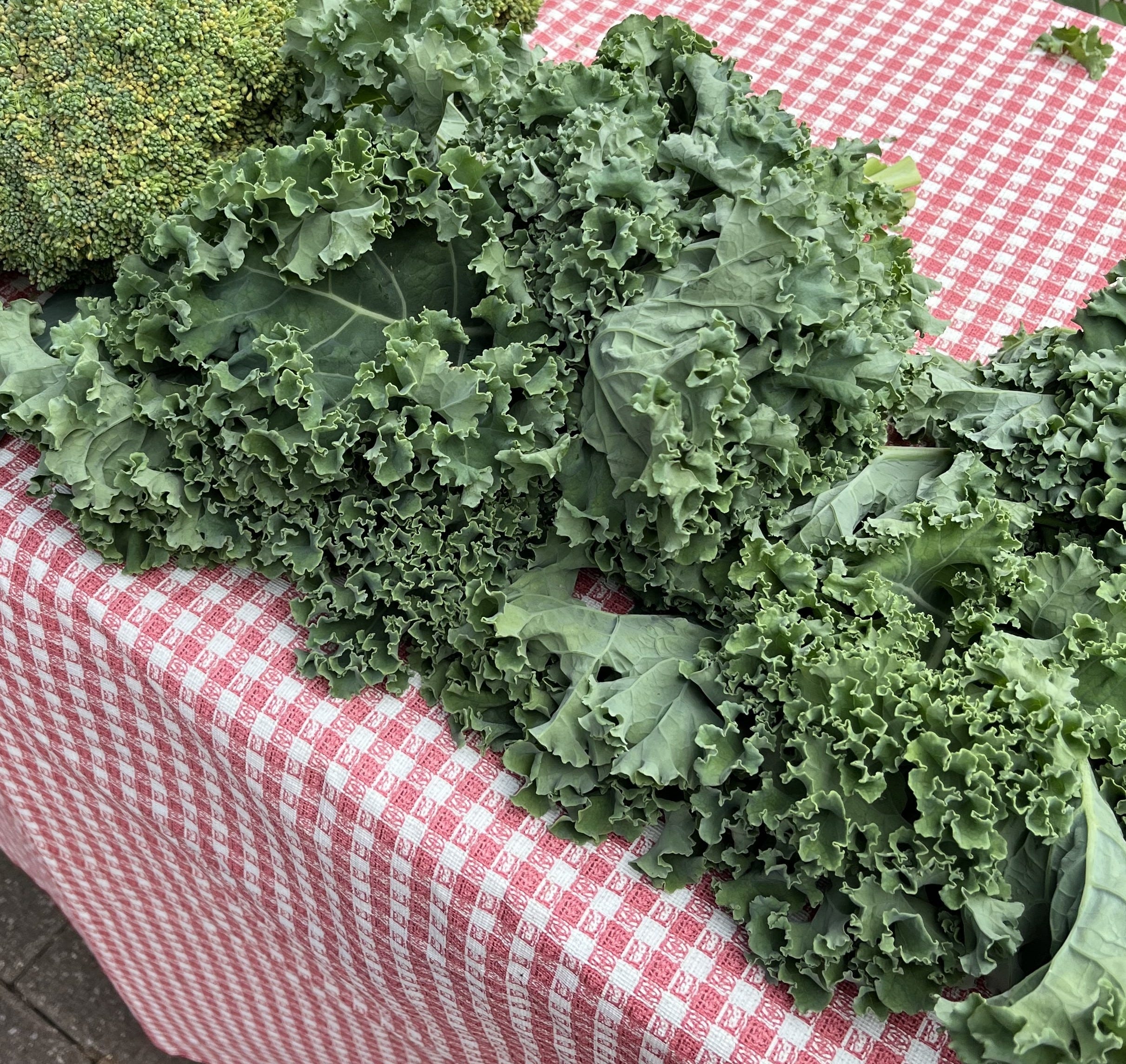
Beets and kale are cool-season crops, so take advantage of them now while they’re at their best. Warm-weather produce is just around the corner!
Other early June produce at the market includes:
Asparagus
Baby carrots
Beets
Red and green onions
Garlic and garlic scapes
Radishes
Salad turnips
Bok choy
Greens (kale, mustard, arugula, lettuce varieties)
Lots of herbs ready to pot or place in your garden (Mint, oregano, basil, cilantro, sage, lavender, thyme, chives)
Rhubarb (near the end of the season)
Strawberries
The first green beans
DAYS/HOURS FOR THE MARKETS
West Lafayette Farmers Market: 3:30-7:30 p.m. Wednesdays, through October. The market is held at Cumberland Park in West Lafayette with more than 50 vendors.
Lafayette Farmers Market: 8 a.m.-12:30 p.m. Saturdays, through October, on Fifth Street between Columbia Street and mid-block to Ferry Street, and Main Street between Fourth and Sixth streets.
Purdue Farmers Market: 11 a.m.-3 p.m. Thursdays, through October. The Purdue Farmers Market is held on the Memorial Mall on Purdue’s campus. This market is a concession-heavy market that allows students, faculty and staff to have lunch options in a unique outdoor setting.
Carol Bangert, editor of Greater Lafayette Magazine, has been a regular at Greater Lafayette farmers markets for more than 20 years. From May through October, she’ll scout out in-season produce at the markets and report back on fresh finds and how to use them.
Thank you for supporting Based in Lafayette, an independent, local reporting project. Free and full-ride subscription options are ready for you here.
Tips, story ideas? I’m at davebangert1@gmail.com.
Beets and Kale. I have all their albums from the 70's. Does anyone remember when they first started out they were Beats and Kale?