

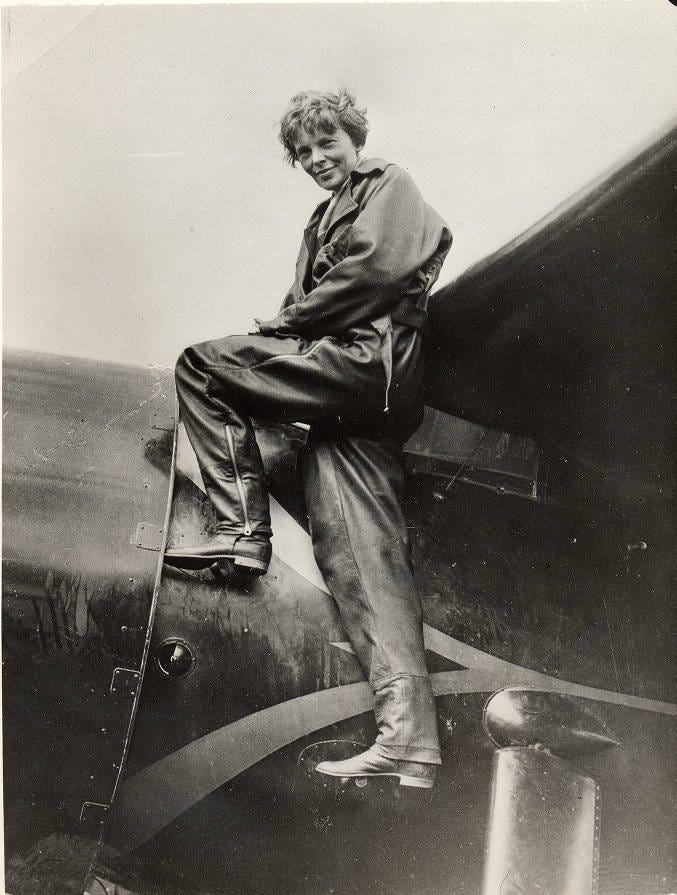
Before a 17-member crew left this month for the Pacific island of Nikumaroro in hopes of finding pieces of Amelia Earhart’s Lockheed Electra 10-E, missing since her 1937 attempt to fly around the globe, explorers on the Purdue-funded mission said the mission might wind up ruling out one theory rather than leading to plans to excavate the plane.
The object seen on satellite images they thought could be the Electra turned out to a clump of trees and debris deposited in a lagoon at the Taraia Peninsula.
On Monday – or late Sunday, West Lafayette time – the team from the Archaeological Legacy Institute, Purdue Research Foundation and Purdue announced through the university that they’d found no conclusive evidence of the hypothesis that drove the expedition to uncover pieces of Earhart’s plane.
“This mystery has been ongoing for 90 years,” Rick Pettigrew, Archaeological Legacy Institute executive director, said in a video released by Purdue. “And the mystery continues.”