
Another in a series of candidate Q&As ahead of the May 5 primary.
One of three Tippecanoe County commissioners seats will be on ballots in 2026.
Two Republicans – Julie Roush and James Waters – and four Democrats – Andrea Burniske, Travis Dowell, Justin Kendall and AR Lane – will be on ballots in the May 5 primary.
Commissioner candidates run in districts according to where they live, but voters across the county will have this race on their ballots. Commissioners are elected to four-year terms as the executive branch of county government, overseeing policy.
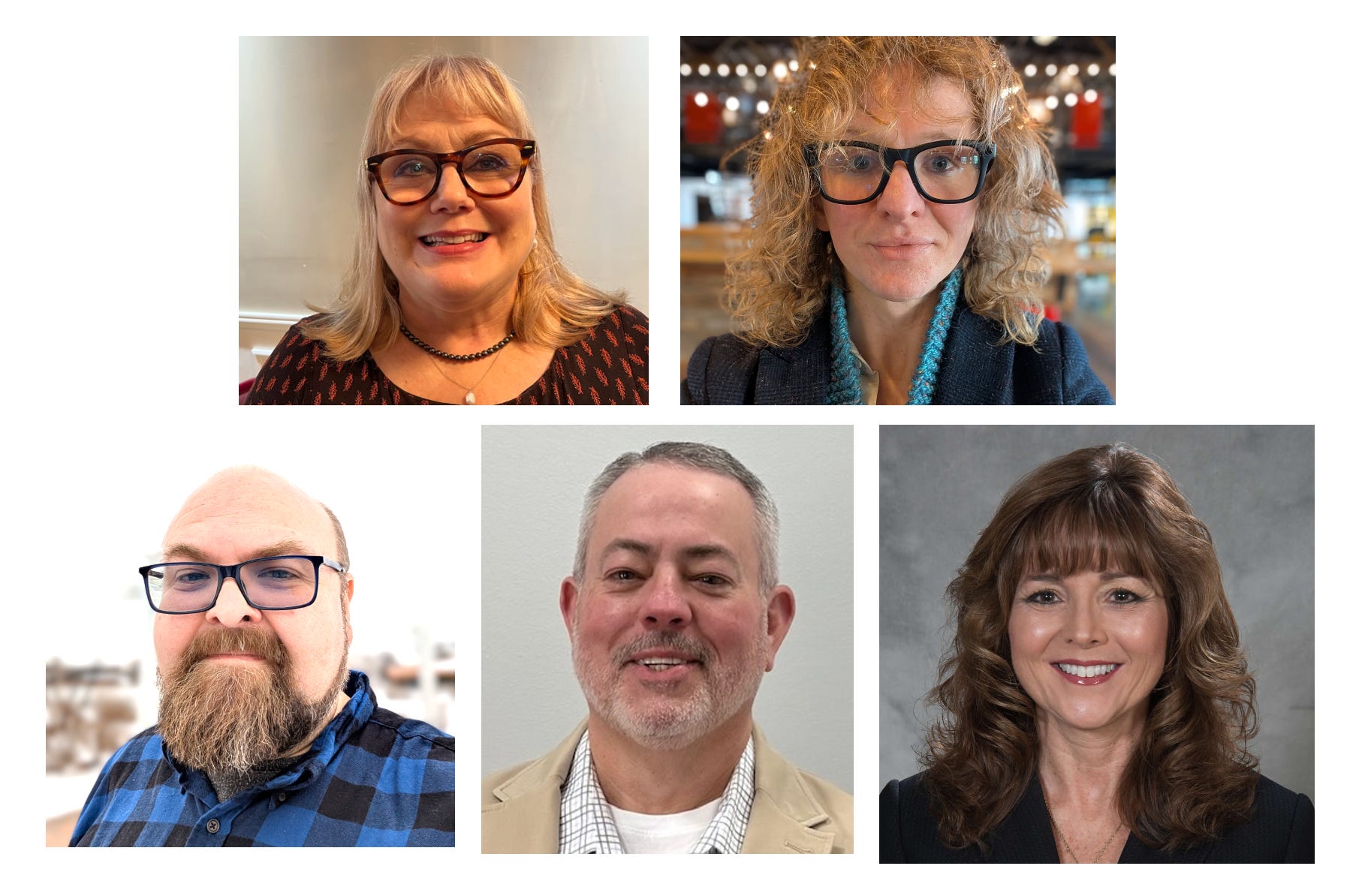
Here, candidates answer questions about their approach.
For more: Find bios of each candidate, along with information about where and when to vote, at the end of this article. Watch in the coming days for more candidate Q&As in other races on Tippecanoe County primary ballots.
Why do you want this job? Why are you running now for this position?
Republicans
Julie Roush: I’m running for Tippecanoe County Commissioner because I care deeply about our community and want to ensure it remains a great place to live, work, and raise a family. With nearly 25 years of local government experience and a background in business administration, I know how to make smart, responsible decisions with taxpayer dollars. When this seat opened, I took time to reflect, pray, and seek input from my family and community. I’m stepping forward now because I’m ready to serve, listen, and work hard to keep our county strong, safe, efficient, and moving in the right direction.
James Waters: A. Years ago my father was friends with the commissioner back in Cass County. I kind of looked up to him, as sometimes he went fishing with us. I heard of the position coming available and with remembering from the past I felt a great way to respect an old family friend. B. I just found out the position was opening the weekend before the chance to file was to close, after a great conversation with my wife and a few close friends, I was encouraged to run.
Democrats
Andrea Burniske: Working overseas, I loved engaging with community members to solve wicked problems. I designed proposals, secured funding and managed budgets. I monitored progress and reported to donors and stakeholders. I learned about new issues and new focus areas (sustainable agriculture, domestic violence, etc.) all the time and became familiar with these areas in order to address the wicked problems. I would like to do this in my own community, as well. Looking at the public-facing forums and platforms of the commissioners, I see there is a lot of work to do to better inform the public about what commissioners do in general and what our commissioners are actually doing. I also feel that if commissioners looked at how to use their roles to address other issues of importance to community members – such as food deserts, housing affordability, sustainable development use, etc. – they could do so, but they do not use that lens.
Travis Dowell: I’m running for County Commissioner because I’ve spent my career serving this community, and I’ve seen firsthand where our county is doing well and where we are falling behind. I’ve worked across Tippecanoe County, listening to residents, responding to emergencies, and seeing the real impact of decisions made at the county level. After retiring, I continued serving by teaching at the high school level outside of the county for over a year, working directly with students and gaining a broader perspective on the challenges facing communities and families. That experience allowed me to bring back ideas and insight that can help strengthen workforce development, education, and public safety here in Tippecanoe County. I’m running now because our county is at a turning point. Growth is accelerating, demands on services are increasing, and we need leadership that is proactive, transparent, and willing to make tough decisions before problems become crises.
Justin Kendall: I helped state government for a decade to modernize and improve call center operations, generally the primary avenue for interacting with it. I valued the positive impacts I made to ensure people could access their government. I’ve wanted for several years to find something here at home where I could use my skills to improve our community instead. I’m running now because I’ve seen details of too many instances of things happening currently which make it clear the county is lacking in the technological and operational leadership that will be needed to overcome the tax revenue shortfalls hitting county budgets.
AR Lane: For years, I have actively engaged with residents and local businesses to establish strategic partnerships addressing local inequities in healthcare, housing, education, and opportunity. Our community members know what barriers they face and what resources could remove those barriers for each individual. Developing solutions with the community, instead of FOR the community, ensures an improvement in the quality of life for all of our neighbors. I am grateful for the ability to run for county commissioner and look forward to continuing my community work in an official capacity.
Name two of your top priorities for the position. And how will you handle them?
Republicans
Julie Roush: My top priorities are protecting essential services and running county government as efficiently as possible. From my experience working in county government, I understand how decisions made by commissioners directly impact public safety, roads, and day-to-day operations. As Senate Bill 1 takes effect, we’ll have to be more disciplined by finding ways to reduce costs and improve processes without lowering the level of service our residents depend on. Our employees are the backbone of every service we provide. Supporting them means being proactive about rising healthcare costs, setting clear expectations, and ensuring departments have efficient systems that make their jobs more efficient. It’s about creating a culture of accountability while giving employees the tools and support they need to succeed. With strong leadership, we can control costs, support our workforce, and keep delivering the quality services our community deserves.
James Waters: 1. I wish to add information to the many who could care about the issues and I would want to hear them and give a Christian prospective to great consideration with that in mind before I would make final decisions. 2. I would try to handle them both with also looking into every prospect of the cases and all that I will be required to examine and decide.
Democrats
Andrea Burniske: My first priority is to identify processes and to change them where there are gaps that result in lack of transparency, accountability and customer service. For example: Look at the commissioners’ website. There is almost no information there. I would work with my teams to create standard operating procedures to feed information into that page so constituents could see how commissioners’ work is progressing and what it is costing. I would put up a video on what a commissioner does. And I would ensure that agenda points in commissioner meetings had explanations of the discussion topics. Just to name a couple of items I’d change. My second priority is to work to promote the update of the APC’s Strategic Plan. The current one is from the 1980s and is updated piecemeal. We need a new plan, informed by public contribution, for where we want this county to go in the next 10 years.
Travis Dowell: 1. Strengthening public safety and essential services. Public safety services are struggling to keep up with the county’s growth. That includes law enforcement, fire services, and EMS. I will: Support designating EMS as an essential service; advocate for better pay and staffing for county employees, who are currently falling behind; ensure funding decisions reflect the real demands placed on first responders. 2. Responsible growth and smart zoning. Growth is coming whether we are ready or not. The question is whether we manage it correctly. I will: Listen to county residents and ensure their voices are part of the decision-making process not an afterthought; push for zoning policies that encourage single-family housing with yards, which our county needs; ensure infrastructure and public safety services are in place before approving large developments; protect farmland, natural resources, and the character and history of our communities.
Justin Kendall: 1. Overhaul the county’s use of information technology (IT). The current structure of the county’s IT department incentivizes it to waste money and be unresponsive to the needs of the other units of government. This makes all other areas less effective. Current leadership is not being provided appropriate information to make informed decisions about many areas of its operations. I’ll handle this by lobbying for specific changes to how the department is funded and costs represented in county budgets, direct the department to make specific changes to the metrics it collects and reports up to leadership, and work to put policies in place to make the department accountable for proactively finding areas within county government that can be improved on an ongoing basis. 2. Improve emergency ambulance services in the county. Response times are unacceptable today, with Tippecanoe Emergency Ambulance Service (TEAS) costing up to 50% more and arriving more than 50% slower than the fire department-based EMS in the county. I’ll handle this initially by continuing to investigate the current TEAS operations and lobby for better response times and transparency on its operations. Actions from there will depend on state legislation (See HB-1251-2026) and what information I find.
AR Lane: Healthcare and Education. I will continue my fight for equitable healthcare in our area. I’ve attended local input sessions for incoming healthcare providers and ask the uncomfortable questions no one else would. Many providers are still unsure if they will be offering OB services in their new clinics. Women are 50% of our population and Indiana is the third worst state for maternal mortality. This should not be up for debate. Education: Changes in the tax code are leading to unsustainable funding cuts for public schools and changes to graduation requirements put some students at extreme disadvantages due to the lack of transportation or the schools lack of faculty/student oversight and/or safety.
What’s the biggest challenge facing Tippecanoe County in the next four years? And how do you propose to address that?
Republicans
Julie Roush: One of the biggest challenges facing Tippecanoe County over the next four years is managing continued growth while working within tighter budgets. With changes like Senate Bill 1, we will be required to do more with less while still delivering reliable services. We can meet this challenge by prioritizing public safety, roads, and essential services, while using resources more efficiently and right-sizing programs and departments. By planning growth responsibly, reducing costs, and using better systems, we can keep our county strong and safe, support our residents, and prepare for the future without losing what makes our community special.
James Waters: Housing demands, safer roads and infrastructure. Also our jails and holding is close to overcrowding and we will need a strong focus to deal with that and the potential costs to our county. This is a giant expense that we need to understand.
Democrats
Andrea Burniske: Tippecanoe County is a boom town. I believe that unbridled growth, with little concern for livability and the ability of all constituents to thrive, is the biggest potential challenge. This is why I feel it is so important to develop a new strategic plan – a plan that would address what we want and do not want (solar farms, data centers, water sharing, etc.) and then work on codes that reflect the decisions.
Travis Dowell: The biggest challenge is managing rapid growth while maintaining quality of life and keeping services from falling behind. Right now, development is moving faster than our ability to support it. That creates strain on roads, emergency services, and county employees and too often, residents feel like decisions are made before their concerns are heard. To address this, I will: Ensure residents have a real voice in growth decisions by increasing transparency and public input early in the process; tie development approvals to infrastructure readiness; make sure long-term planning is actually guiding decisions — not reacting after the fact; hold leadership accountable so the public knows what is coming before decisions are finalized.
Justin Kendall: There are so many large challenges facing the county in the next four years. The questions asked elsewhere here hit the technically largest, most immediate things. If I had to pick something I haven’t already talked about in the other questions, I’d say that it will be challenging the county’s lack of regard for the experience of the residents of the county in finding information about, and interacting with, their government. County residents don’t have elsewhere to go to get the things done the county is supposed to do, so it had better do a good job at getting residents what they need.
AR Lane: Housing & Infrastructure (including energy). Housing: We need more stock of all housing types (except luxury high rise apartments) especially family-friendly multi-unit options because we aren’t produce enough cost effective single family homes to keep up with the demand ($150,000 condo vs. $300,000 single-family home). Infrastructure: CityBus needs investment: equipment, reinstated and extended routes, number of employees and pay, weather protection shelters, etc. Road/bike/bridge/sidewalk/trail infrastructure upkeep and expansion.
With the effects of Senate Bill 1’s property tax settling in, what’s the best way the county can handle what is expected to be lost revenue in the coming years? If cuts are needed, what areas would you target first?
Republicans
Julie Roush: The county must be more intentional with every dollar. The best approach is to improve efficiency by reviewing operations, reducing duplication, and using better systems to stretch resources while planning carefully for the future. We should evaluate and reduce reliance on outsourcing by strengthening in-house expertise and leveraging proven models and peer collaboration to ensure cost-effective use of taxpayer dollars. When reductions are needed, they should be thoughtful, protecting core services like public safety, roads, and essential services first. We may also need to consider temporary hiring freezes to manage labor costs responsibly. Just as important is educating departments on the need to control costs and eliminate waste. When employees understand the financial picture, they become part of the solution and can help build a culture of accountability and smarter use of taxpayer dollars.
James Waters: The areas that we need to examine are not to just cut jobs, but to look at ways to find overreach, double work processes and the way we all can find the way to work smarter not harder.
Democrats
Andrea Burniske: If state policy reduces county revenue, we owe residents an honest, line‑by‑line discussion of what that means. I would hold public, deliberative budgeting forums so people can see the trade-offs. My priorities would be clear: Public safety: Sheriff, jail operations, 911, emergency management and core court functions. Critical infrastructure: Roads, bridges, drainage and essential building maintenance. Statutory and mandated services: Recorder, auditor, assessor, clerk, probation, child support enforcement, public defender obligations and similar requirements. I would begin to cuts expenditures that are internal inefficiencies before touching front-line services. Reduce duplicative functions and siloed services by consolidating work across departments or with city/town partners. Freeze non‑essential consulting, marketing and other professional services that don’t support mandated duties. Much of this work can be done in‑house. Protect essential training — law enforcement, IT security, mandated certifications — but scale back non‑critical travel, conferences and discretionary training. Delay non‑urgent building projects, cosmetic renovations, and expansions – as well as equipment – not tied to safety, legal compliance, or critical capacity. Review pilot programs or initiatives that cannot show who they serve, what they achieve, or what happens if they stop. If evidence is lacking — as may be the case with the Buck Creek/Colburn sewer project — they should be re-evaluated. Avoid duplicating services already delivered effectively by cities, townships or strong nonprofits; partner instead of parallel unless there is a clear gap.
Travis Dowell: We need to be honest there will be financial pressure, and we cannot solve it by simply cutting essential services. My approach would be: Prioritize core services like public safety, infrastructure, and essential county operations. Take a hard look at how we are using Local Income Tax (LIT) – right now, the county is holding onto those funds instead of fully utilizing them as part of the solution; those dollars should be strategically invested to support services and offset revenue loss, not just saved. Conduct a full review of non-essential spending and delay or eliminate lower-priority projects. Improve efficiency and accountability in how taxpayer dollars are spent. Cuts, if necessary, should start with areas that do not directly impact public safety or essential services.
Justin Kendall: There will be some amount of raising the local income tax rate that is likely unavoidable to make up some of the lost revenue. I will work to minimize the need for this. The best way the county can handle this is by cleaning house on operations. First by overhauling its information technology department, then going through every possible county department to find ways to do things better than they’re being done today, get rid of the myriad duplicate software and systems the county is wasting money on, and remove barriers from getting the information technology department to do basic things.
AR Lane: I support responsible property tax relief, but Senate Bill 1 was written in a way that pushes hard choices down to local communities like Tippecanoe County. It means less money for the basics we all rely on, like police and fire, roads and bridges, public health, and school support, leaving local leaders responsible for formulating a real plan to support and lead our community. As an entrepreneur focused on community impact and a candidate running for county commissioner, I see this first as a transparency and accountability issue. Families deserve to know not just what they’re saving on their tax bill, but also what that means for the sheriff’s budget, EMS response times, library hours, and classrooms. My commitment is that we won’t hide the trade‑offs: we’ll publish clear public information and multi‑year forecasts so every taxpayer can see where each dollar goes and how SB 1 is reshaping our county’s finances. The best path forward is smart planning, not across‑the‑board cuts. First, we protect core services: public safety, health, and infrastructure. Second, we use every appropriate tool we have from targeted local income‑tax options, to tighter debt and capital planning, and shared services between governments to intentionally stretch every dollar before ever touching frontline services. If cuts become truly unavoidable, I recommend we start with bureaucracy and low‑impact spending, overlapping administration, non‑essential capital projects, and discretionary items, not with deputies on the street, firefighters, or critical services for our most vulnerable neighbors. I’ll work to make SB 1’s tax relief real without secretly gutting essential services.
Grade the county’s current approach to managing residential and commercial growth beyond the city limits of Lafayette and West Lafayette? What could be done better?
Republicans
Julie Roush: Growth outside Lafayette and West Lafayette must be managed with care to protect our rural character and prime farmland. While there has been progress, we can do better by being more intentional and consistent in guiding development. We need clear long-term planning that directs commercial growth to appropriate areas while preserving high-quality farmland. Just as important, we must respect property rights and involve key stakeholders, such as landowners, farmers, and local residents in the decision-making process. By working together, we can achieve balanced growth that protects our heritage and supports responsible development. We must recognize that commercial growth drives revenue, and sustaining the resources needed for essential county services requires actively supporting economic development.
James Waters: The current ways seem good yet as I project the way to streamline some issues could save and then use that to work more projects without cutting jobs. The issue of residential and commercial growth beyond all else is to look at both in and outside. There are opportunities in both areas. I would like to see a small team look into all possible areas with an open mind of utilization.
Democrats
Andrea Burniske: Overall Grade: C+. I believe that Tippecanoe County has strong planning tools and dedicated, competent APC members, but lacks a coherent growth strategy (including predictable infrastructure planning, and clear standards for rural residential and commercial expansion). Growth is happening, but in a piecemeal way – not in a way that is fiscally or environmentally sustainable. This, again, is related to the lack of an updated Strategic Plan for development. The county has been development for developments’ sake, that does not prioritize development where infrastructure already exists. I would also look at the extent to which the county ties land‑use decisions to road and drainage capacity, emergency response times (already strained), school district impacts (!!!), and cost of maintaining new roads and subdivisions.
Travis Dowell: There are good intentions, but the execution has been inconsistent and often reactive instead of proactive. Too many decisions appear to be made months or even years before the public is fully aware or has a chance to weigh in. What needs to improve: A stronger commitment to listening to county residents and involving them earlier in the decision-making process. Stronger long-term planning tied to actual infrastructure capacity. More focus on balanced development, including the need for single-family housing. Better coordination between growth decisions and public safety resources. Greater transparency so residents understand what is being planned before it’s finalized.
Justin Kendall: I think we’ve been doing a lot of commercial growing just for the sake of growing. There’s not enough thought about how it affects residents near the developments and there’s not enough housing being built to go along with all the jobs being brought in. We need more basic housing built, not just luxury housing. On the rental side, our rental vacancy rate is too low, and because of that, prices keep escalating faster than incomes can keep up.
AR Lane: We must invest in the infrastructure and utilities of the surrounding communities (Battle Ground, West Point, Dayton, Buck Creek, Shadeland) to ready them for a population boom as potential homeowners look to align purchasing power with desired amenities.
In 2025, the county instituted what it considered to be stopgap zoning codes meant to slow the possible development of data centers locally. Was that the right move? And what, if anything, more would you propose in the next four years?
Republicans
Julie Roush: I believe the county’s stopgap approach was reasonable as a short-term measure. It gave the county time to pause, evaluate potential impacts on land use, infrastructure, water, and energy, and listen to the community before making long-term decisions. Going forward, we should engage stakeholders, such as residents, landowners, farmers, and industry experts, and develop clear, balanced standards that protect our rural character, respect property rights, and ensure any development benefits the community as a whole.
James Waters: Even though on paper it looks good, I could see a few options that maybe could have been proposed and discussed. I felt it went a little fast. A second look into the residential aspect may have presented more residential housing closer to the cities and the large data center further out to give more home access to the many needed.
Democrats
Andrea Burniske: Yes, the stopgap was the right move, but a pause is not a plan. We need to consider carefully the experiences of other counties and other states in “hosting” data centers and learn from their experiences. And then we need to answer where and how to allow such centers, and what we get in return. We need to determine specific performance and design standards, and protocols for large data centers, mapping appropriate zones based on based on power and water capacity, transmission lines, road access, noise buffers, and distance from homes and schools. And, we need to negotiate agreements for road improvements, emergency services, and any utility upgrades driven by the project. We can’t have any quiet shifting of long‑term costs onto residents. Finally, abatements or incentives must be tied to measurable public benefits (and we need to be able to show those clearly on our website). We need to finalize an ordinance before the stop-gap sunsets.
Travis Dowell: Yes, it was the right move as a temporary measure. When you’re facing a new type of development with major impacts on land use, utilities, and infrastructure, it’s responsible to slow things down and make sure you get it right. Going forward, I would: Establish clear, permanent zoning standards for data centers. Ensure they are located in areas that can support their infrastructure demands. Require strong community input before approval. Balance economic development with long-term impacts on residents and resources.
Justin Kendall: Yes, it was the right move. I would want to make sure that any companies trying to build a datacenter are paying their own way for all infrastructure and utility costs associated with them, not passing those costs on to residents. Any tax abatements need to be accompanied with strong claw back mechanisms if they don’t provide what they say they will, and for commissioners to have the will to enforce them. I would want to see that development be away from residential areas and not take up valuable farmland.
AR Lane: I agree with slowing down the development of data centers.
After the General Assembly this year approved an extension for counties to continue to provide syringe services, would you back reauthorizing Gateway to Hope in Tippecanoe County? Why or why not?
Republicans
Julie Roush: Decisions about Gateway to Hope should be made carefully, as it is a short-term approach. The program does provide a public health service by helping reduce the spread of disease and promoting safer outcomes in our community, which makes it an important, but not a core essential county function. With reduced revenues, we must be very mindful of how every taxpayer dollar is spent. If reauthorized, it should be treated as a short-term tool while we closely evaluate its effectiveness, cost, and outcomes. Any decision should be grounded in solid data, not just anecdotes. We should also work toward long-term solutions that emphasize treatment, recovery, and lasting results for our community. Our goal should be decisions that are both fiscally responsible and sustainable for the future.
James Waters: I would ask for a system to be set that those in need be in some way seeking help, for to always give out the syringe services without ever trying to seek a cure would create a hopeless system. I do not wish to sound cruel but I would wish to see as many as possible find freedom from the drug.
Democrats
Andrea Burniske: Yes, I would support reauthorizing Gateway to Hope, because lots of evidence shows that syringe services programs reduce overdose deaths, prevent the spread of HIV and hepatitis C, and connect people to treatment faster. The General Assembly extended these programs because the evidence is overwhelming: they work, and they protect the whole community. Research shows major reductions in HIV and hepatitis C, no increase in crime or drug use, and significant increases in people entering treatment. But I would also strengthen oversight, data reporting, and partnerships with law enforcement, EMS, and treatment providers so the program is transparent, accountable, and clearly tied to pathways into recovery.
Travis Dowell: At this time, I would not automatically support reauthorizing Gateway to Hope without a thorough and transparent review of its impact. This is both a public safety and public health issue, and any program we support must show clear, measurable results. Before making a decision, I would want to see data on whether the program has reduced overdose deaths, limited the spread of disease, and successfully connected individuals to treatment. I would also want input from law enforcement, healthcare professionals, and the community to fully understand its impact both positive and negative. If the evidence shows the program is effective and responsibly managed, then it should be considered as part of a broader strategy. If not, we need to be willing to pursue other approaches that better serve the community.
Justin Kendall: Yes, I would back this reauthorization. The data shows that syringe services help drive better outcomes and are a vital service for people struggling with addiction.
AR Lane: Yes, I would support the county provide syringe services, as the data suggests it improves public health outcomes for the community and users of the service.
Name two specific things that separate you from your opponents and why those matter.
Republicans
Julie Roush: What sets me apart is the combination of my business education, private sector experience, and hands-on public service. With a master’s degree in business administration and nearly 25 years in local government administration, including the management of millions of dollars and leading a major department, I understand how to manage budgets, oversee contracts, develop effective policies, and make data-driven decisions that protect taxpayers. I also bring extensive experience serving the public by holding public meetings, responding to public requests, maintaining public buildings and property, administering elections, collaborating with other county departments and local governments, and serving the poor while ensuring efficiency, transparency, and accountability in every decision. I know how to listen, communicate clearly, develop personnel, and deliver results. These skills matter because county government must be efficient, responsive, and focused on serving the people.
James Waters: I am not sure what two to mention. I feel I am a fresh voice that has an open heart and mind. I can’t say my opponents don’t, but I am positive I do. I would also say I have no ties to any group, interest groups, or demands. I am not beholding to anyone but my God. Why those matter? The citizens in this county need a person in this position that will make every effort to ensure this decision will be made in their best informed position. | will vote for them and what is their peace of mind.
Democrats
Andrea Burniske: I have actually managed large, complex public‑sector programs — not just talked about them. My background includes leading multi‑million‑dollar programs funded by USAID, the World Bank, the State Department, and corporate donors; coordinating multi‑institutional partnerships across government, universities, and nonprofits; and overseeing teams, contracts, deliverables, and accountability systems. I have monitored and reported successes and challenges, led public processes to create strategic local and regional development plans, and documented workflows to identify “white space” — the gaps where services break down and where we can improve. I’ve already managed programs larger and more complex than most managed by county departments. I know how to run systems, hold contractors accountable, and deliver measurable results — because I’ve done it. I also bring day‑to‑day community experience as a former special education teacher and through work with Extension educators across the state. I have worked directly with families, students, and farmers — especially small farmers — on social, educational, and structural challenges. I understand how county decisions affect real people and how Extension services, though managed by Purdue, can be leveraged locally to improve lives. I have seen where county systems help, and where they fail, to support families and their kids. I speak Spanish and have lived in Latin America. That lived experience keeps me focused on people, not politics.
Travis Dowell: 1. Real-world public safety experience. I have spent my career making decisions in high-pressure, real-world situations often where lives were on the line. That experience matters when making decisions that impact the safety and well-being of our community. 2. Countywide, firsthand perspective. Through my work in law enforcement, time spent teaching at the high school level outside the county, and years coaching youth sports, I’ve been able to connect with people across a wide range of communities. I’ve heard directly from residents, families, and young people about the challenges they face. I bring those perspectives back with me, combining real-world experience with what I’ve learned outside the county to better serve the people of Tippecanoe County. I’m not relying on reports or secondhand information, I’ve lived the reality of what our communities are facing.
Justin Kendall: I have a long history of technological and operational leadership in both the private and public sectors. This matters because county government is going to need skills like these to get through the impending tax revenue shortfalls for its operations, to get it on a more sustainable path for the future and do so in a holistic way to improve as many areas of county government as possible with the least amount of negative impact to services. I’m not just talking about things I generally stand for. I have real, concrete plans to make our county government work better for all of us so that I can start working on Day 1.
AR Lane: 1. I was born and raised right here in Greater Lafayette, playing football and graduating from Harrison High School. Then I spent the next nine years serving as an ammunition specialist (89B) in the Indiana Army National Guard, where I was a squad leader, retention NCO, and Ammunition Section Sargent, reached the rank of Staff Sergeant (E-6). 2. Before starting my own business I was Director of Mission Impact and Human Resources, addressing inequities in healthcare, housing, and education. I’ve spent years building relationships throughout this county, to help address the needs of people within this county. These matter because: The military instilled a high level of personal accountability and gave me the opportunity and courage to further develop my skills as a growing individual and leader. While my time working in our community, both in community engagement, volunteering, and working at or partnering with local nonprofits has shown me all sides of our community and the opportunities within.
Bios
Andrea Burniske
Party: Democratic
Age: 65
Occupation: Retired International Development Professional (with teaching experience as well)
Educational background: BA in Russian Language and Literature, UC Berkeley; MA in Journalism, University of Oregon; MS in Education, Purdue University
Past elected positions, if any: None
Community boards or other community leadership and service: Extension Disaster Education Network; Association of International Extension Educators; Purdue Agriculture Diversity
Immediate family: Gary Burniske (husband); Isabella Burniske (daughter); Lillian Fisher (daughter)
Your campaign site online: https://andreaburniskeforcommissioner.com/
Travis Dowell
Party: Democrat
Age: 55
Occupation: Law Enforcement Officer
Educational Background: Ball State University – Workplace Specialist Licensing Coursework – Coursework completed to meet the requirements for a Career & Technical Education (CTE) Workplace Specialist License in Indiana. Indiana Law Enforcement Academy (ILEA)- Basic Officer Certification – 1993 | Jail Officer Course – 1991. Cloverdale High School, Cloverdale, Indiana, high school diploma, 1989. Current and Past Certifications: Internal Affairs (Certified), Field Training Officer (FTO), Instructor Development - Emergency Vehicle Operation Instructor, Reid Interviewing (Basic & Advanced) - Drug Enforcement, Medical Death Investigation, DOJ Incident Responder - Annual Certifications: Firearms, Domestic Violence, EVO, SIDS, Hazmat.
Past Elected Positions, if any: None
Community Boards and Other Community Leadership and Service: Former Lieutenant of Detectives with leadership responsibilities involving complex investigations and multi-agency coordination. Member of the Tippecanoe County Overdose Fatality Review Team, working with public health and safety partners to analyze overdose deaths and identify prevention strategies. Member of the Tippecanoe County Child Fatality Review Team, collaborating with agencies to review child deaths and improve system responses. Member of the Tippecanoe County Child Protection Review Board, focused on evaluating child safety cases and strengthening protective services. Board Member for Hartford House, a child advocacy center serving Tippecanoe County, supporting coordinated services for child victims of abuse and neglect. Retired from law enforcement and transitioned into education, teaching at the high school level for over a year, providing students with real-world insight into public safety and career pathways in criminal justice. Former volunteer coach with community youth summer recreation leagues, working directly with young people and families to promote teamwork, discipline, and community involvement. Extensive collaboration with law enforcement, healthcare providers, social services, schools, and community organizations to address complex public safety and community issues.
Immediate Family: Married to April, with six children and 13 grandchildren.
Your Campaign Site Online: Facebook- Travis Dowell for Tippecanoe County Commissioner
Justin Kendall
Party: Democratic
Age: 44
Occupation: Co-owner of Second Flight Books and Main Street Books in Lafayette. Up until October, I spent the past 11 years working remotely as the call center architect for the Illinois state information technology agency as a technology consultant.
Educational background: Bachelor’s of Science in Information Technology from Western Governors University; Associate’s degree in Information Technology from Ivy Tech in Lafayette; have held many professional certifications in project management, Cisco networking, security and voice technologies, Microsoft desktop and server technologies, VMWare virtualization technologies, and multiple programming languages
Past elected positions, if any: None
Community boards or other community leadership and service: Current board member of The Arts Federation; current board member of the Downtown Lafayette Business Owners Association
Immediate family: Laura Kendall (Wife)
Your campaign site online: votejustinkendall.com
AR Lane
Party: Democratic
Age: 35
Occupation: Veteran, Entrepreneur, & Community Connector
Educational background: TSC Grad (Hershey, East Tipp and Harrison High School), Army Basic Training, Advanced Individual Training (Ammunition Specialist), Warrior Leadership Course (Squad Leader), Dale Carnegie - Recruitment and Retention (Retention NCO), AIHR - Certified HR Generalist, IDI trained & Certified Administrator (Intercultural Development Inventory) - Cross-Cultural Communication, Event Design Collective - Level 3 (Facilitate & Lead), and a continuous and insatiable interest in learning and personal development.
Past elected positions, if any: None.
Community boards or other community leadership and service: Current: Board Member, Friends of Downtown & Adult Learners INC. Former: Board Member, YWCA Greater Lafayette. Volunteer: Food Finders, Junior Achievement, Therapeion Therapeutic Riding Services, United Way DEI Committee, Juvenile Detention Alternative Initiative (JDAI)
Immediate family: Father, Ed Lane; mother, Sue Slickers; brother, Kyle Lane
Your campaign site online: Facebook: https://www.facebook.com/profile.php?id=61586371238896. ActBlue: https://secure.actblue.com/donate/ar-lane-1
Julie Roush
Party: Republican
Occupation: Clerk of the Circuit Court, Tippecanoe County
Age: 59
Educational background: Purdue University: Krannert School of Management, Master of Business Administration; Bachelor of Arts with Psychology Major and Economics Minor. Ball State University: Election Administration Certificate
Past elected positions, if any: Fairfield Township Board, four years; Fairfield Township Trustee, 12 years; Tippecanoe County Clerk of the Circuit Court, eight years; Precinct Committeeman; State Delegate
Community boards or other community leadership and service: DoIT Advisory Board, Tippecanoe County; Board of Elections & Registration, Secretary, Tippecanoe County; Commission of Public Records, Secretary, Tippecanoe County; Habitat for Humanity Volunteer, Tippecanoe County; Tippecanoe County Child Protective Team, Tippecanoe County, DCS; Court Appointed Special Advocate, Tippecanoe County Court; Indiana Township Association-West Central Area Director; Heartland Corridor Steering Committee-Area Plan Commission of Tippecanoe County; Community Relations Advisory Committee (CRAC), Purdue; Cary Home for Children Advisory Board member, Lafayette; Read to Succeed Volunteer, Lafayette; Homelessness Prevention and Intervention Network Board member, Lafayette; Honor Flight Volunteer, Lafayette; Tippecanoe County Court Appointed Special Advocate (CASA), Lafayette; Heartland Corridor Steering Committee-Area Plan Commission of Tippecanoe County; WorkOne Express Advisory Board member, Lafayette; Adult Resource Academy Volunteer, Lafayette; Legal Aid Board Member, Lafayette; Wildcat Highland Recreation Association, Buckridge Home Owners Association President; Small Business Committee, Lafayette Chamber of Commerce; Cub Scout Den Leader, Lafayette; Caregiver Companion Volunteer, Lafayette; Junior Achievement Volunteer, Lafayette.
Immediate family: Husband, Mike; Sons Tony and Joshua; Daughter: Jessica; Daughters-in-law: Megan and Allison; Grandchildren: Julianne and Everett.
James Waters
Party: Republican
Age : 68
Occupation : Currently Retired from the Lafayette Post Office. For something to do for about three years, I worked part time at The Home Depot in Lafayette, Indiana. Retired again three years ago.
Education: Logansport High School. After school, I enlisted into the U.S. Marines. After the Marines, I enrolled at Purdue University. Did not finish. With a wife and child it was too much to struggle trying to go to school and care for my family. I was able to hire on to the Postal Service and that was the last of higher education.
ABOUT THE MAY 5 PRIMARY
Early voting ahead of the May 5 primary election runs April 7 to May 4 with contested races on Tippecanoe County ballots for U.S. House, several Indiana General Assembly seats, Tippecanoe County commissioner and Tippecanoe County Council seats, township position and state convention delegates. Voters may choose a Republican or Democratic ballot, but not both, when checking in at the voting site.
Voter registration/ballots
To check your voter registration and to see candidates who will be on your R or D ballot, go to the Secretary of State’s portal at www.indianavoters.com.
Early voting sites
In Tippecanoe County, registered voters may cast their ballot at any vote center.
April 7 to May 4: Tippecanoe County Office Building, 20 N. Third St. in Lafayette. Weekday hours: 8 a.m.-4:30 p.m. April 7-10, April 13-17, April 20-24, April 27-May 1. Other hours: 9 a.m.-4 p.m. April 25 and May 2; and 8 a.m.-noon May 4.
April 18: McAllister Recreation Center, 2351 N. 20th St., Lafayette. Hours: 9 a.m.-1 p.m.
April 21: Córdova Recreation Center, 355 N. Martin Jischke Drive, West Lafayette. Hours: 10 a.m.-4 p.m.
April 23: First United Methodist Church, 1700 Mitch Daniels Blvd., West Lafayette. Hours: Noon-5 p.m.
April 25: West Point Fire Station, 4949 Indiana 25 S., West Point; Otterbein United Methodist Church, 405 Oxford St., Otterbein; and Clarks Hill Christian Church, 9510 Pearl St., Clarks Hill. Hours: 9 a.m.-1 p.m.
April 28-May 1: Tippecanoe County Fairgrounds, 1406 Teal Road, Lafayette; Wea Ridge Baptist Church, 1051 E. County Road 430 South, Lafayette; Eastside Assembly of God, 6121 E. County Road 50 South, Lafayette; and John Dennis Wellness Center, 1101 Kalberer Road, West Lafayette. Hours: Noon- 6 p.m.
May 2: Tippecanoe County Fairgrounds, 1406 Teal Road, Lafayette; Wea Ridge Baptist Church, 1051 E. County Road 430 South, Lafayette; Eastside Assembly of God, 6121 E. County Road 50 South, Lafayette; and John Dennis Wellness Center, 1101 Kalberer Road, West Lafayette. Hours: 9 a.m.-3 p.m.
Election Day vote centers
Voting on Tuesday, May 5, will be 6 a.m.-6 p.m. Registered voters in Tippecanoe County may choose any of these sites.
Lafayette
Tippecanoe County Fairgrounds, 1406 Teal Road
Lafayette Community Church of the Nazarene, 3801 Union St
The Grove Covenant Church, 3600 S. Ninth St.
Tippecanoe County Historical Association History Center, 522 Columbia St.
Wea Ridge Baptist Church, 1051 E. County Road 430 South
Eastside Assembly of God, 6121 E. County Road 50 South
Northend Community Center, 2000 Elmwood Ave.
West Lafayette
Faith West Community Center, 1920 Northwestern Ave.
Córdova Recreation Center, 355 N. Martin Jischke Drive
Connection Point Church, 2541 Cumberland Ave.
John Dennis Wellness Center, 1101 Kalberer Road
Outside Lafayette/West Lafayette
Shadeland Town Hall, 2485 Indiana 25 West, Shadeland
Tippecanoe Township Volunteer Fire Station No. 2, 448 W. County Road 650 North, West Lafayette
Dayton Gathering Point Church, 7201 Wesleyan Drive, Dayton
Battle Ground Fire Station, 112 North St., Battle Ground
On the ballot
Here are candidates who will be on Tippecanoe County ballots in the May 5 primary. (* = incumbent)
Tippecanoe County
Commissioner, District 1: Julie Roush and James Waters, R; Andrea Burniske, Travis Dowell, Justin Kendall and AR Lane, D
County Council, District 1: Ben Murray*, D; Trent Richter, R
County Council, District 2: Jody Hamilton* and Jonathan Chapin, R
County Council, District 3: Lynn Beck, R
County Council, District 4: Lisa Dullum*, D
County Clerk: Abby Myers and Carrie Sanders, R; Karan Benner, D
Assessor: Anthony Hustedt-Mai, R; Kaitlyn Butler, D
Auditor: Jennifer Weston*, R; Eric Grossman, D
Recorder: Kristy Martin*, R; Monica Casanova, D
Prosecutor: Jason Biss, R
Judge, Superior Court 1: Kevin McDaniel*, R
Judge, Superior Court 2: Sarah Wyatt, R
Judge, Superior Court 4: Matt Sandy*, R
Judge, Superior Court 5: Kristen McVey*, R
Judge, Superior Court 7: Dan Moore*, R
Indiana General Assembly
House District 13: Matt Commons*, R; Brenna Geswein and Ed Moyer Jr., D
House District 26: Chris Campbell*, D; Magdalaine Davis, R
House District 27: Sheila Klinker*, D; Tracy Brown and Oscar Alvarez, R
House District 38: Heath VanNatter* and Mark Hufford, R; and Nate Stout, D
House District 41: Mark Genda*, R; Jackson Hayes, D
Senate District 22: Ron Alting* and Richard Bagsby, R; Natasha Baker and Marlena Edmondson, D
Senate District 23: Spencer Deery* and Paula Copenhaver, R; David Sanders, D
Congress
U.S. House, District 4: Jim Baird*, Craig Haggard and John Piper, R; Drew Cox, Roger Day, Darin Griesey, Thomas Hall Jr., Robert Lovely, Joe Mackey, Jayden McCash, Paul McPherson and John Whetstone, D.
For a look at all candidates on Tippecanoe County primary ballots, including those for township trustee, township boards and state delegates, here are links to Democratic candidates and Republican candidates.
Thank you for supporting Based in Lafayette, an independent, local reporting project. Free and full-ride subscription options are ready for you here.
Tips, story ideas? I’m at davebangert1@gmail.com.
It seems as though they each have something near and dear to them to improve based upon their own experience with county government. While I understand and commend them for being passionate, they will need to listen to resident's concerns, too. Don't become too hyperfocused on your grievances that you can't see someone else's.
Also, I'd like to know what Mr. Dowell means by: "...push for zoning policies that encourage single-family housing with yards, which our county needs...". Do we have a shortage of housing with yards?