

Support for this edition comes from the Builders Association of Greater Lafayette. Be our guest … the Builders Association of Greater Lafayette invites you to our 2026 Parade of Homes, 11 a.m.-4 p.m. Saturday and Sunday, Oct. 3-4. Tour 19 beautiful new homes from 11 local builders throughout the Greater Lafayette area, including Delphi. Plus, explore five new subdivisions. Free to tour, no tickets needed! Plan your tour at Parade Of Homes.

WEST LAFAYETTE NEIGHBORS FIGHT TO KEEP LAWSUITS ALIVE TO REVERSE SK HYNIX REZONING, STOP CONSTRUCTION
Attorneys for three West Lafayette residents challenging a rezoning that cleared the way for a $4 billion SK hynix semiconductor facility near their homes fought in court this week to keep their cases alive, as the South Korean company, the city and Purdue Research Foundation tried to pull the plug, telling a judge it should be “game over” even before a trial starts.
In a case with a ton of moving parts – and filings over the past year-plus that fill binders stacked on the Tippecanoe Circuit Court bench, along with ongoing disputes about what evidence is fair game – the upshot is: Did the West Lafayette City Council get it right, and do it right, when it voted 6-3 in May 2025 to rezone 121 acres north of Kalberer Road from single-family residential to heavy industrial uses?
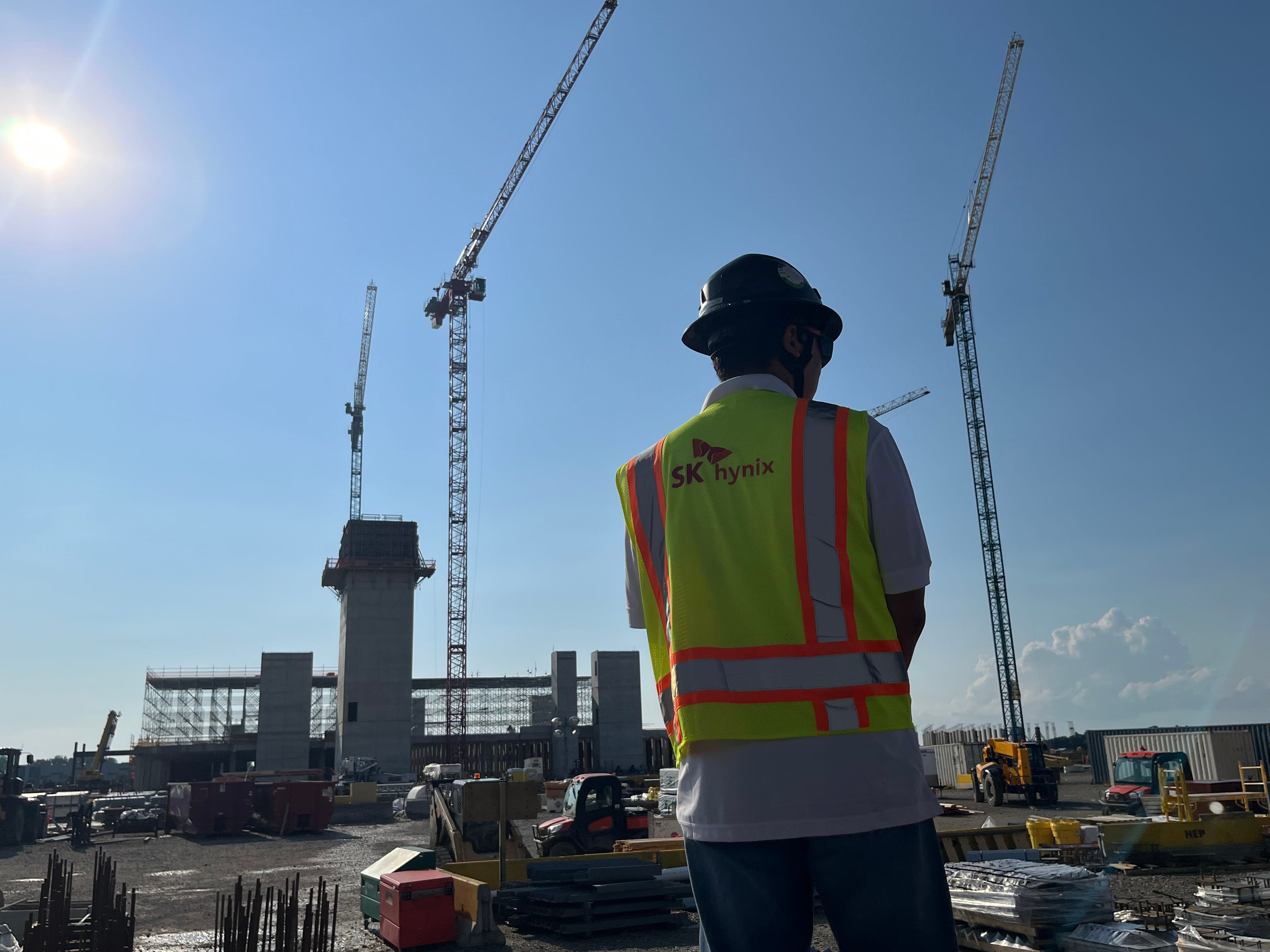
During a three-hour hearing Tuesday, attorneys for the city and SK hynix argued that claims by Lora Williams in one lawsuit and by Sean Sasser and Karl Janich in another couldn’t show that that the city council failed to meet a rational basis test needed to justify the vote on the rezoning.
They argued that the court didn’t need to step into what amounted to a legislative decision, other than to grant summary judgment against the effort to stop construction and return the property to R1/single family zoning, just because the plaintiffs didn’t like the outcome.
“The council weighed the different factors and came to a decision,” Mark Crandley, the city’s attorney, said during Tuesday’s hearing. “It’s not the place of the petitioners to substitute their judgment for that decision. … They can have a mountain of experts; they can hire the best experts in the world, stack them up this high. But if we have a rational basis over here, it’s game over.”
But attorneys for Williams, Sasser and Janich argued that potential open meeting law violations and lingering questions about due diligence they say city council members skipped – on property values; on lists of undisclosed industrial chemicals that would be introduced next to residential neighborhoods; on environmental and health concerns; on reasonable growth in West Lafayette – deserved to be aired and ruled on in a trial to figure out whether that “game over” was actually predetermined long before the May 2025 rezoning vote.
Depending on a ruling on the motion for summary judgment, Tippecanoe Circuit Court Judge Sean Persin has set aside three days for trial, starting Dec. 1.
Tom Williams, an attorney representing his sister, Lora, in the case, argued that trial should include not only what SK hynix, PRF and West Lafayette contend was available information considered by the city council, “but also evidence of what was available but was withheld and should have been reviewed or looked at.”
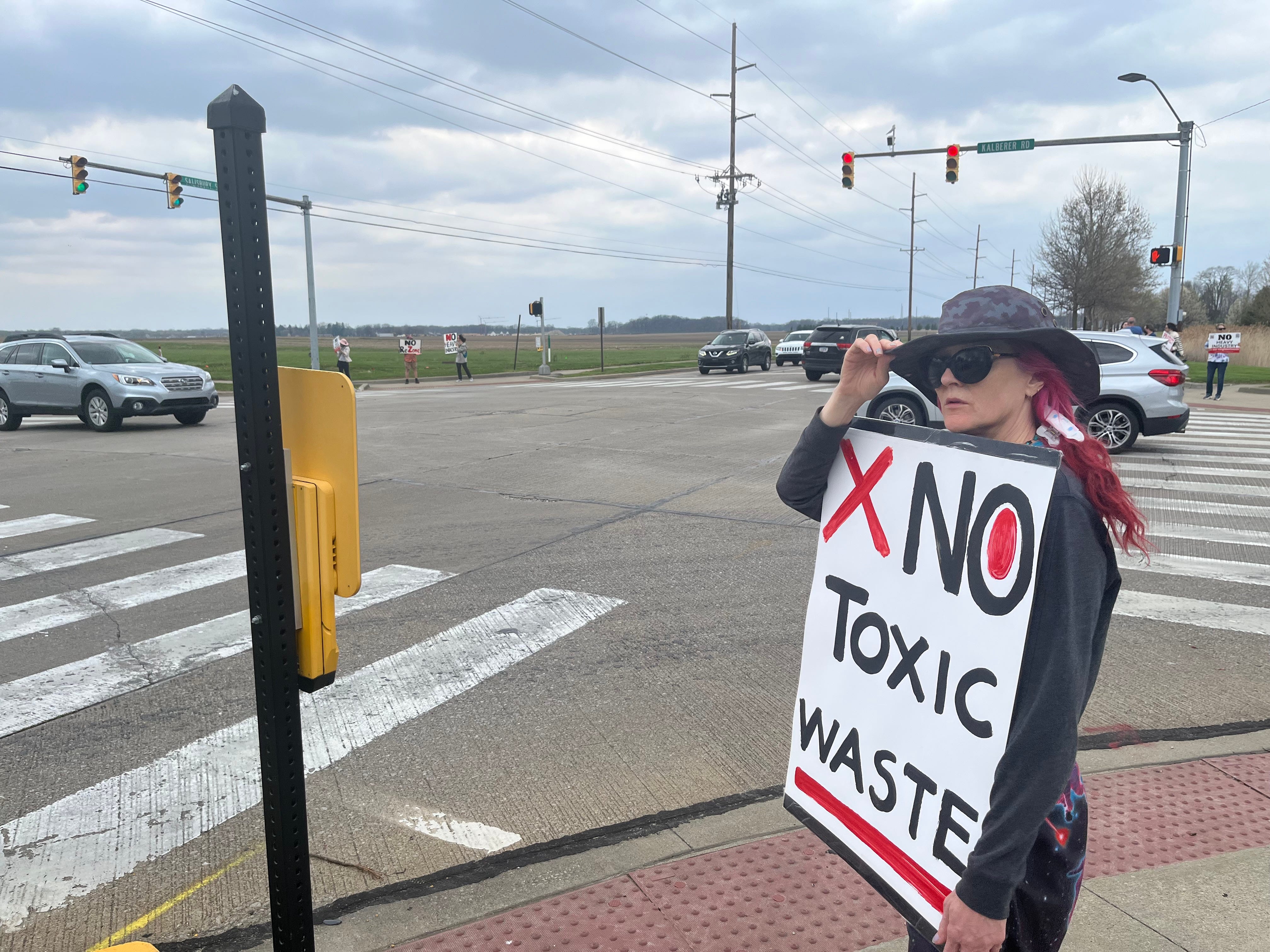
“This lack of evidence, this lack of any inquiry – there were red flags flying,” Williams argued. “The testimony at the (Area Plan Commission hearing in March 2025) by a number of professors and other medical professionals that there are hot zones and that this has no place in a residential community – that’s a red flag flying. Reasonable regard would have meant inquiry.”
Persin asked Williams what that would look like, given that the record of the city council decision included public conversations ahead of the vote about the company’s indication that it would comply with state and federal environmental regulations and discussed the potential hazards.
“You’re saying, I think the city should have done more,” Persin said. “What does that look like? What should they have done? … You certainly argue they didn’t do enough.”
