

Support for this edition comes from Wintek Business Solutions. Wouldn’t it be nice to bundle your business network needs in one place? We think so, too. That’s why Wintek Business Solutions offers service packages for every business need. Whether you need a small-business package, managed network options or even physical security, WBS has you covered. Enjoy seamless service compatibility and comprehensive support — all from one trusted partner. Ready to learn more about WBS service packages? Call 765-742-8428 or visit wintekbusiness.com.

WEST LAFAYETTE SCHOOLS SEND TAX REFERENDUM TO NOVEMBER BALLOT
The West Lafayette school board, looking to make up a projected $1.6 million annual decrease in revenues by 2031 under Indiana’s new property tax reforms, on Monday agreed to go back to voters in November, asking them to update an eight-year property tax referendum passed just three years ago.
The move to place a new 57.06-cent property tax proposal on the general election ballot passed on a 6-0 vote Monday evening. Board member Yue Yin attended Monday’s meeting remotely, allowing her to discuss and vote on all matters other than those dealing with the referendum, according to state law.
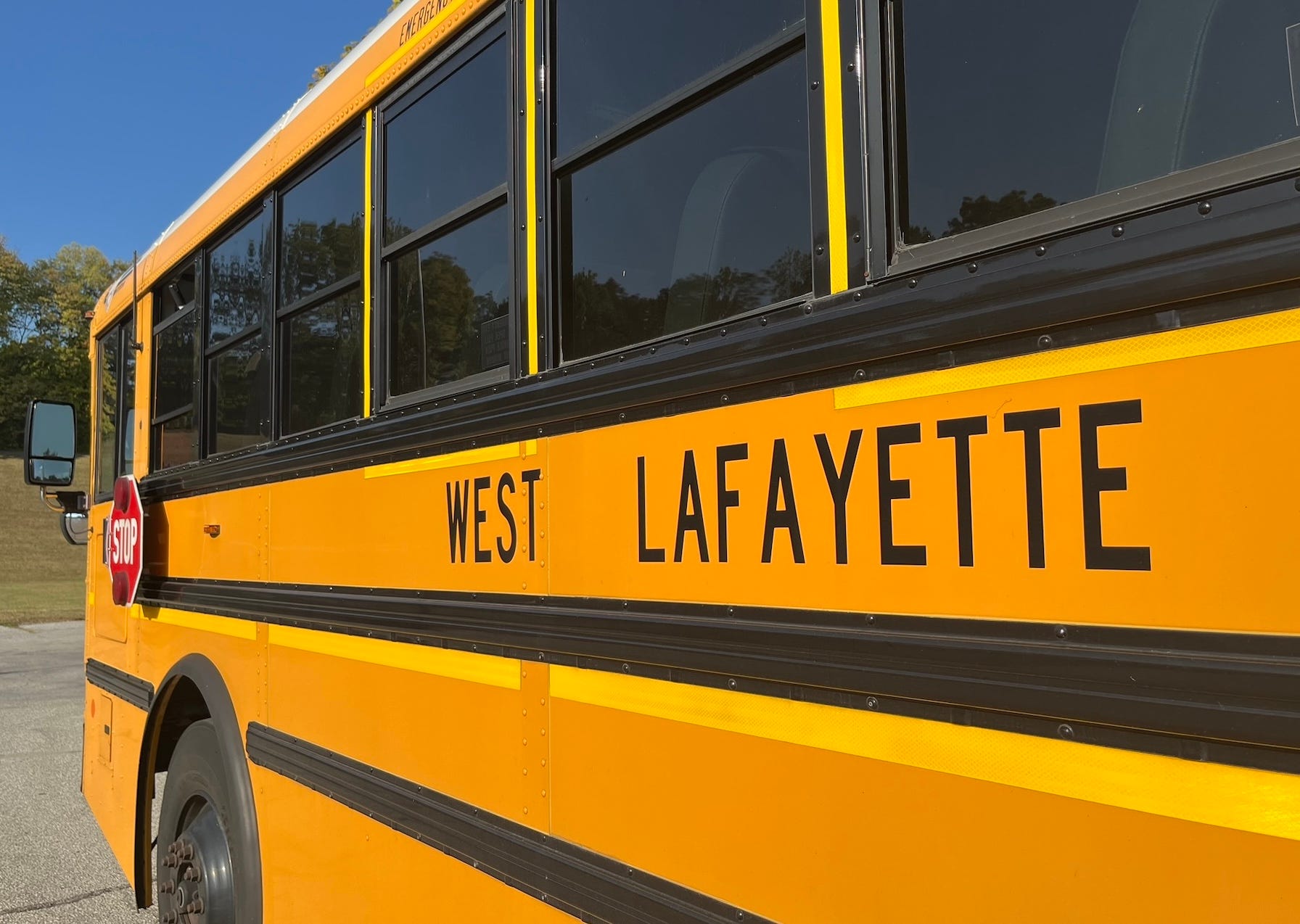
West Lafayette joins dozens of other districts across that state going to voters as they navigate property tax changes rolling out over the coming years from Senate Bill 1, passed by the Indiana General Assembly in 2025.
The proposed referendum update – with a stated purpose for “teacher compensation for managing class sizes and academic programming” and “operations fund expenditures (maintenance, personnel and student transportation related expenses)” – is being touted by West Side as a measure meant keep revenue steady rather than to bring in additional money.
The school board’s move also came after months of discussion and prep, including a community survey of 400 registered voters that indicated 75.6% of those asked would be in favor. Past versions of the referendum, set at 37 cents per $100 of assessed valuation, have won with 80% or more of the vote in 2010, 2017 and 2023 in a district that typically ranks among the top in the state academically.
“It’s clear that the district is held in very high regard by a large majority of the community,” Dave Beery, a consultant with Dehler PR, a firm the district hired in February, told board members Monday.
