

Support for this edition comes from Lafayette Rotary, presenting its ninth annual Ice Cream Crawl, a cross-river adventure, inviting participants to sample frozen favorites while supporting important community initiatives. An Ice Cream Crawl passport gets you samples from 1-4 p.m. Aug. 22 from 12 Greater Lafayette locations are slated: Every’s Ice Cream, Igloo Frozen Custard, The Original Frozen Custard, Budges Drive In, Culver’s East, The Silver Dipper (two locations), Freddy’s Frozen Custard and Steakburgers (two locations), Westside Scoops and Kurtoskalacs Chimney Cakes. Proceeds this year will go to two community initiatives: Homestead Resources and the Greater Lafayette Family Shelter. Get tickets and more information here.

A RECOUNT Q&A: ‘IT WAS PRETTY CLEAR WHAT THE VOTER INTENDED’
It’s hard to say the dust has settled on an Indiana Senate District 23 recount challenge after the Indiana Recount Commission this week tossed enough votes, saying they were missing key signatures and initials from election officials, to take away a Republican primary victory for state Sen. Spencer Deery and give it to challenger Paula Copenhaver.
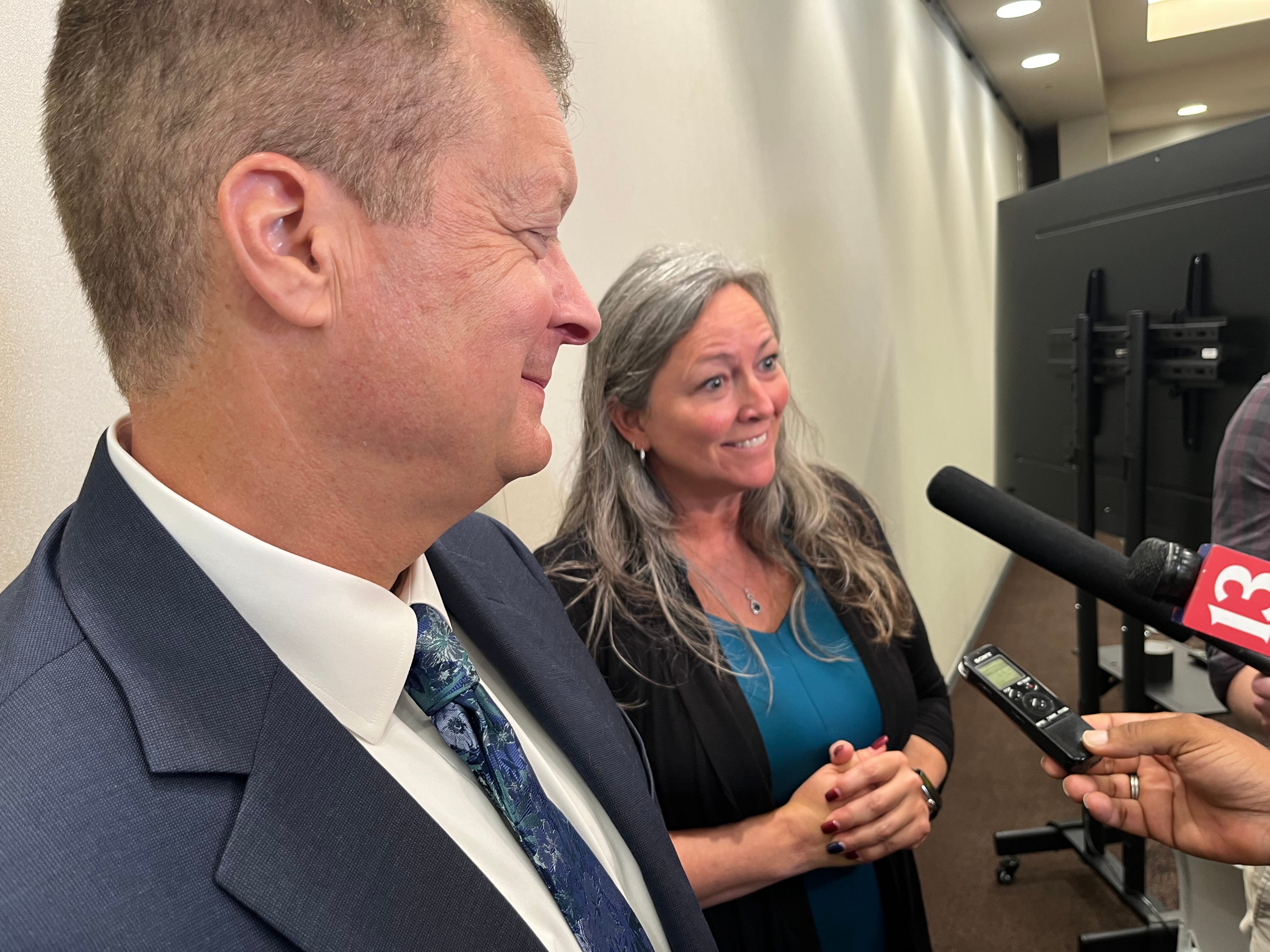
The final count in the May 5 primary stands at 6,332-6,329 for Copenhaver, a former Fountain County clerk whose Trump-backed campaign was among a handful of high-stakes primary challenges of incumbent state senators who bucked the president’s plan for mid-decade congressional redistricting in Indiana.
Deery, a West Lafayette Republican, has promised to challenge the development at the Indiana Court of Appeals, calling the decisions by the three-member Recount Commission ones driven by technicalities rather that by the intent of voters who still haven’t been notified that their ballots didn’t count.
The move by Deery’s camp is expected in the coming days, given an Aug. 21 statewide deadline to certify ballots for the November general election.
As we wait for that, BiL spoke with Jay McCann, a political science professor at Purdue whose research includes campaigns and elections, about the ballot-hunting strategies Copenhaver’s legal team used to successfully reject enough votes to win and what that might mean for candidates, poll workers and voter expectations in future elections.
Here are excerpts from our conversation this week.
Question: The Copenhaver team’s tactics at first were aimed at crossover voting, looking to make people explain their votes and whether they actually qualified to pull Republican ballots after they talked about how they voted on social media. Copenhaver’s team went after one of those crossovers during this week’s Recount Commission hearing, but that argument to nullify the vote got rejected. That gave way to a shift in tactics to what amounted to focusing on errors by poll workers and county clerks in how ballots were handled and marked. And that worked to get enough ballots rejected to put Copenhaver over Deery. What’s your sense of the ramifications of that sort of approach?
Jay McCann: First, it’s not surprising to me that they shifted away from the crossover argument. That was never going to be a serious argument, it seemed to me. Just because, even if you put somebody under oath and asked them if they really intended to vote for the Republican ticket come fall, I don’t know how you could possibly prosecute somebody or test the truthfulness of whatever anybody is saying. So, that never seemed like a good way for that team to go.

As for the other, if you’re fighting for every vote, it makes sense that you’d want to grab at anything. The fact that they’re scrutinizing things the way they were and trying to invalidate ballots based on whether or not initials were there, etc., etc., and the minutia of the administration, if there’s an opportunity there, you’d expect them to take it. I guess what’s surprising to me is that after so much scrutiny over all this time, they found what they needed. It turned out to be successful for them, but I didn’t see this coming.
Developments this week
Recount Commission rejects votes for Deery, flips Senate District 23 GOP primary to Copenhaver
Deery calls out Recount Commission member after election swings to Copenhaver
Question: Elections have hundreds of people in this district alone with their hands on everything it takes to handle thousands of votes. One clerk mentioned that poll workers often are 70 years old-plus, suggesting they might get to visiting when people they know come to the polling place and every now and then forget to initial something or put a clerk’s seal on something else. What fallout of this recount challenge do you see in terms of elections in the future? Is this just going to be a standard to review races with even bigger spreads in future elections?
Jay McCann: I think people in public life like this tend to follow whatever worked before. So you might expect even more and more pressure, as you say, being placed on these poll workers, who should be considered volunteers. There is a bit of payment, but it really doesn’t equal the amount of effort actually put into this, and the stress and the commitment and everything. I think it makes a challenging job for these important local folks even harder. The implications of this can prolong vote counting even further before we get the results. Thinking out loud, down the road, it’s not impossible to imagine different modes of voting that would not be subject to these same kinds of errors, like internet voting, taking out some of those handling moments and streamlining the process, when we think about possible reforms going forward. I have to think, since it is such a labor-intensive process and there’s so many hands all over the process, that invariably you’re going to see little hiccups along the way. You would think those hiccups would be randomly distributed, and I’d be surprised if there’s any systematic bias. But when you are down to just a handful of votes here or there, when it comes essentially down to a coin flip or something, this is the scenario where you invite these kinds of outcomes that on the face of it look really strange and unfair to the people handling it, unfair to a lot of the voters and so on. But when things are this close, sheer randomness can have a really big, important outcome.
Question: One of the voters targeted for subpoenas – and actually had his ballot unsuccessfully challenged Monday before the Recount Commission – asked later whether this could be a systematic issue, where we get poll workers who purposely mess up and leave a trail that a losing candidate could follow or a clerk who happens to be pro one candidate over another. Do you see that as a threat? Or is the system strong enough to bear up to that?
