

Support for this edition comes from State Bank. Since 1910, State Bank has helped local businesses grow and communities move forward. With decisions made right here and relationships built for the long term, their team works alongside businesses across Greater Lafayette to turn plans into progress. Learn more about how State Bank supports local businesses at https://www.statebank1910.bank/business-tippecanoe

Support for Based in Lafayette also comes from Purdue Convocations, presenting Beetlejuice on Thursday, April 9. Based on Tim Burton’s dearly beloved film, this hilarious musical tells the story of Lydia Deetz, a strange and unusual teenager whose whole life changes when she meets a recently deceased couple and a demon with a thing for stripes. And under its uproarious surface (six feet under, to be exact), it’s a remarkably touching show about family, love, and making the most of every Day-O! It’s Showtime — BUY TICKETS now and save with a Me+3 Four-Pack!

‘HUGE CONSEQUENCES’ IN A ‘SUBTLE’ CHANGE IN WHERE SOLAR FARMS MIGHT BE ALLOWED
With planners up against a June deadline as they knock out dents in reworked zoning codes regulating utility-scale solar farms in Tippecanoe County, neighbors of one proposed project continued to lobby county commissioners this week, pressing the county not to settle for what they called incomplete rules in the latest draft.
Public comment time at Monday morning’s county commissioners meeting turned to questions about whether the new regulations – due by June 1 – will include provisions that address concerns of emergency responders and contemplate battery energy storage that could be tied to solar installations.
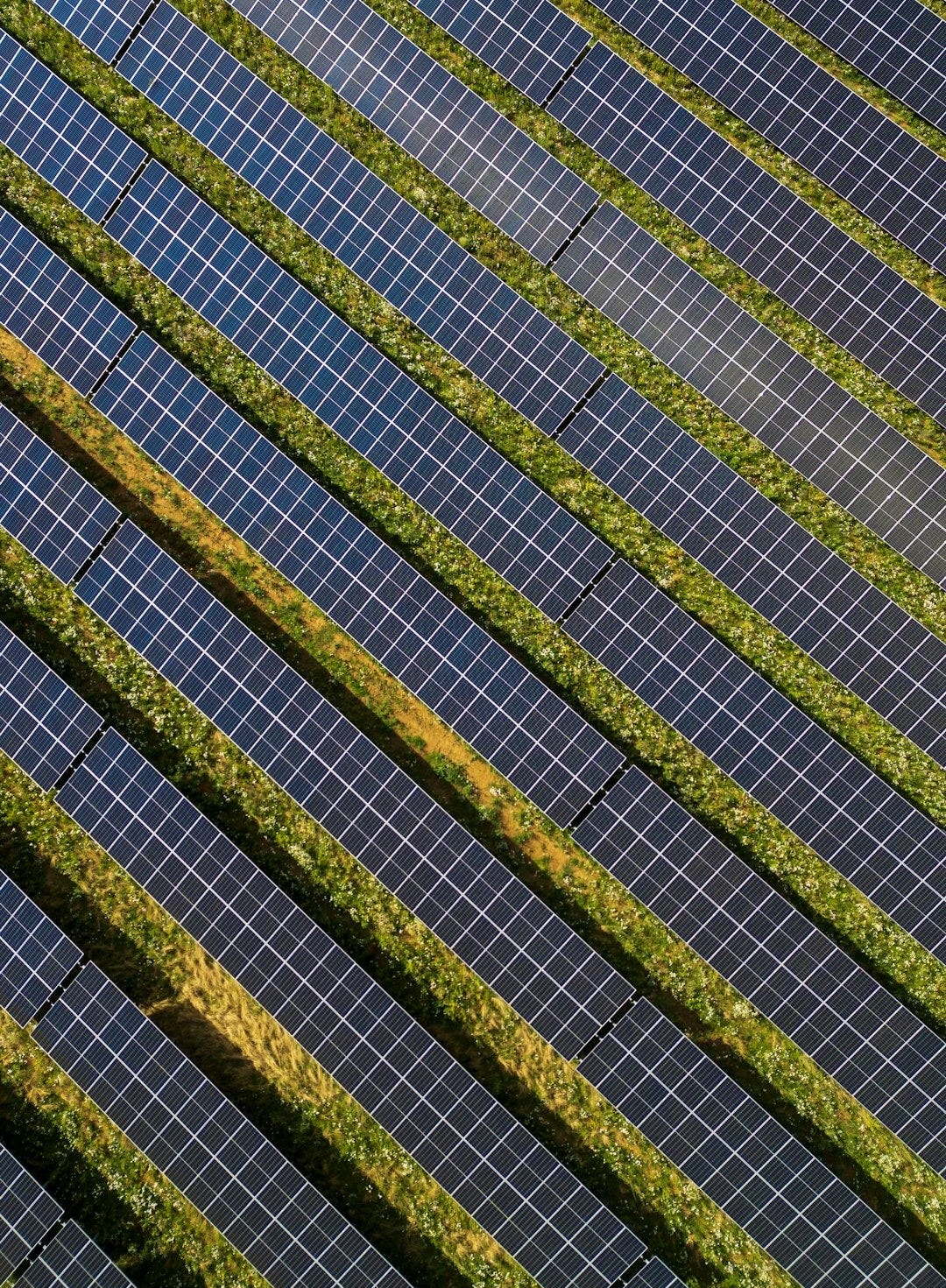
The conversation also clarified a new wrinkle about where solar installations could go under the current proposal, along with some hints about which way county commissioners – who will have the final say on the zoning codes – are leaning on several things as the process plays out.
Where things stand: In 2021, the county approved zoning requirements – including those for decommissioning, setbacks and others for agriculturally zoned land – for solar projects of 10 acres or more. Commissioners since have questioned whether those requirements contemplated projects that were more than 100 times bigger. In June 2025, county commissioners imposed a one-year moratorium on large-scale solar proposals to allow a review of zoning codes.
The moratorium came after a proposal surfaced for a 1,700-acre, 120-megawatt Rainbow Trout Solar Project in western Tippecanoe County. That project was filed for required zoning exceptions before the moratorium went into effect. That project was rejected by the Board of Zoning Appeals on a 4-3 vote in August, amid pushback by neighbors and despite pleas from renewable energy advocates.

First takes on proposed regulations: A first draft of provisions and options for a reworked solar zoning ordinance – in the works since September 2025 – went before the Area Plan Commission Ordinance Committee early in March. A second hearing is scheduled for April 1, before recommendations go to the full Area Plan Commission on April 15.
That first hearing on March 4 showed some tension between neighbors pushing for larger setbacks and other regulations and solar advocates warning about rules so strict that a new ordinance would be a de facto ban on large-scale projects. The hearing also had the APC Ordinance Committee narrowing in on its recommendations for the proposed codes.
Here’s more from that first hearing:

A few takeaways from Monday’s conversation
‘Huge consequences’ in a ‘subtle’ change in where solar farms could go: The current draft of the zoning code would allow large-scale solar projects “by right” in industrial zones or for projects that go through the Board of Zoning Appeals special exception process in agricultural, agricultural-wooded or office research zones. That would strip AA/select agriculture-zoned land from the list of where solar project may go in current regulations. The recommendation also would allow “no more than 6,000 total acres of the county” for large-scale solar energy systems.
Commissioner David Byers testified March 4, backing a move to block solar projects from select farmland zoned AA, saying that ground “should be off limits.”
Ryan O’Gara, APC executive director, said that would be “a very subtle change, but it has huge consequences.”
